
Yesterday, Peter and I walked 33km (that’s 21 miles) as a training walk for our full-blown Trailwalker hike this summer.
Here are some lessons I learned:
Just because it is difficult, it doesn’t mean you have to stop. But it does mean you have to do something different.
Funny that – ‘cos you could apply it to lots of situations in life?!
Here are some that I applied it to yesterday:
- It’s ok to take a break – it might even stop you giving up.
My left knee (the dodgy one) hurt at times – quite badly. So I got into a routine of allowing myself 30 seconds of “pause time” (not “stop”!) to stretch, massage and generally send it love. 🙂 This really worked. It released the tension in the knee and took the pain away. Then I could keep walking. Had I continued, without these pauses, I’d probably have had to give up the walk early on.
. - It’s amazing how far you can get, when you’re motivated.
We had already walked 10 miles and I was REALLY ready for lunch. The pub we had planned to stop at told us we couldn’t bring our wet, tired and cold dog inside. She would have to stay in the car park, on her own. I can kind of understand this, but it cost them our custom yesterday – and probably long-term.
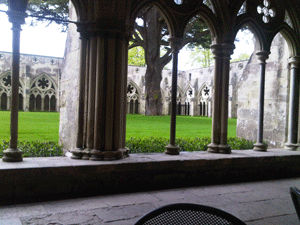
Anyway, although I didn’t relish the idea of walking another mile into town for lunch, we did, and had a lovely meal in the cloisters (kind of outdoors) at the cathedral.
I didn’t think I could keep on walking without a break. But the thought of a hot lunch kept me going!
. - A little planning prevents problems.
When you’re out for a very long walk, drinking enough water to stay hydrated, there comes a point in every girl’s life when you have to pee outdoors.
And here’s what I learned.
When it comes to a countryside pee, it’s all about location, location, location!
Here are my top tips for “outdoor comfort”:- Location: Ask your fellow walkers to look away. Find a spot that makes it easy for them.
- Location: Check the chosen area for brambles and nettles, before you do the deed (nearly fell foul of that one yesterday!)
- Location: Before you “go”, don’t just check the area in front of you – check out who might be able to see you from behind, too. Nearly had an embarrassing moment yesterday at one point when I hadn’t spotted that the convenient rest point was in full view of a multi-acre field 😉
As I said, just because it is difficult, it doesn’t mean you have to stop. But it does mean you have to do something different.
And I’m wondering, what could you apply that to today? Just a thought! Please do share, via the comments box. 🙂
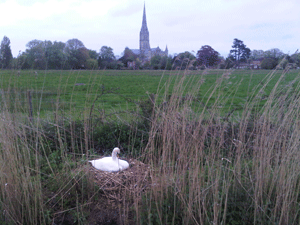
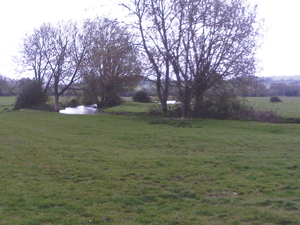
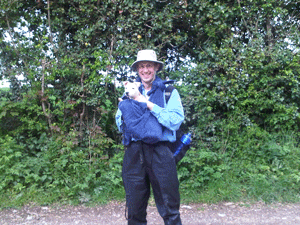
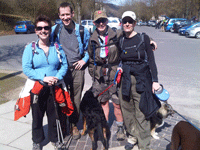
And here are some pics from yesterday, to show you how we got on.
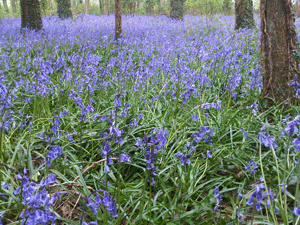
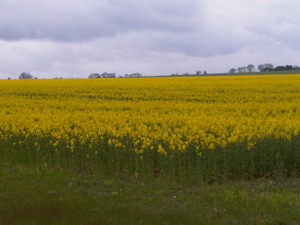
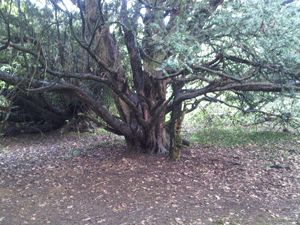
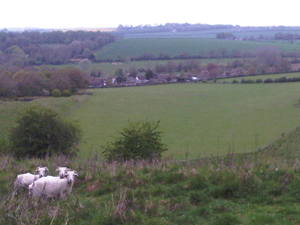

Want to see how we’re getting on with our 60 mile walk?
- Follow us on Twitter http://www.twitter.com/trailwalker_nut
- Join our Trailwalker One Step Beyond cheerleader group on Facebook http://www.facebook.com/group.php?gid=116489365045412
- Visit our sponsorship page, to keep track of our progress 😉 http://www.virginmoneygiving.com/onestepbeyond
